Choosing the Right Roofing Material for Montana’s Harsh Winters

Montana’s extreme winter conditions demand roofing materials engineered to withstand heavy snow loads, freeze-thaw cycles, and temperature swings exceeding 100 degrees annually. Selecting the wrong material leads to premature failure, constant repairs, and potential structural damage. Understanding how different roofing options perform in harsh climates helps homeowners make informed decisions that protect their investment for decades.

Asphalt Shingles in Cold Climate Performance

Asphalt shingles remain the most common roofing choice nationwide, but their winter performance varies dramatically based on quality and installation.

Advantages for Montana winters: Standard asphalt shingles offer adequate snow shedding on steeper pitches and reasonable ice dam resistance when properly installed with ice and water barrier protection. Modern architectural shingles provide better wind resistance than older three-tab styles, handling Montana’s notorious winter gusts. Their flexibility allows some movement during freeze-thaw cycles without immediate cracking.

Cold climate challenges: Temperature extremes cause asphalt shingles to become brittle, increasing susceptibility to cracking and breaking. Repeated freezing and thawing degrades the asphalt compound faster than in moderate climates, significantly reducing expected lifespan. Snow and ice sitting on shingles for extended periods accelerate granule loss, exposing the underlying mat to UV damage and moisture penetration.

Lower-quality asphalt shingles may last only 12-15 years in Montana conditions compared to their rated lifespan in milder regions. Impact-resistant and premium architectural shingles perform substantially better but require higher initial investment.

Metal Roofing Winter Superiority

Metal roofing systems excel in Montana’s challenging climate, offering performance advantages that often justify their higher installation requirements.

Winter performance benefits: Metal roofs shed snow naturally through their smooth, slick surface. Snow slides off before accumulating to dangerous weight levels, reducing structural stress and eliminating many ice dam concerns. Metal expands and contracts uniformly with temperature changes without cracking or breaking like brittle materials.

Standing seam metal roofing provides superior leak protection through interlocking panel designs that eliminate exposed fasteners vulnerable to freeze-thaw damage. Metal doesn’t absorb moisture, preventing the rot and deterioration that plague other materials in wet snow conditions.

Durability considerations: Quality metal roofing systems withstand extreme weather for 40-70 years with minimal maintenance. They resist impact damage from hail and falling branches better than most alternatives. Metal roofing maintains structural integrity under heavy snow loads that would damage lesser materials.

Potential drawbacks: Metal roofing requires professional installation expertise to ensure proper thermal movement allowances and weathertight seam connections. Initial investment exceeds asphalt shingle alternatives, though longevity and reduced maintenance often offset upfront differences over the roof’s lifetime. Some homeowners find metal roofing aesthetics less traditional than shingle appearances.

Snow and ice sliding off metal roofs can damage gutters, landscaping, or structures below without proper planning for discharge areas. Snow guards or retention systems may be necessary to control release patterns.

Wood Shakes and Cedar Shingles Reality Check

Wood roofing materials offer distinctive aesthetics but face significant challenges in Montana’s winter climate that homeowners must understand before selection.

Performance limitations: Wood shakes and shingles absorb moisture from melting snow and ice, then freeze and expand repeatedly throughout winter. This constant cycle causes splitting, warping, and accelerated deterioration. Snow and ice sitting on wood surfaces for extended periods promote rot, mold growth, and structural breakdown.

Wood roofing requires substantial ongoing maintenance including treatments, inspections, and regular replacement of damaged sections. Montana’s winter conditions dramatically shorten wood roof lifespan compared to dry climates where these materials traditionally perform well.

Fire risk considerations: Many Montana areas have elevated wildfire risk. Wood roofing materials receive poor fire ratings, potentially affecting insurance availability and creating genuine safety concerns. Some jurisdictions restrict or prohibit wood roofing in high-risk fire zones.

Wood shakes may suit specific architectural styles or historic renovation projects, but they represent the least practical choice for Montana winter performance and long-term durability.

Key Selection Factors for Montana Homeowners

Beyond material type, several factors determine winter roofing performance:

Pitch and design: Steeper roof slopes shed snow more effectively regardless of material choice. Complex roof designs with multiple valleys and dormers collect snow and create ice dam vulnerability requiring more robust material selection.

Underlayment protection: Quality ice and water barrier installation along eaves and valleys provides critical backup protection when ice dams form. This becomes especially important with asphalt shingles that offer less inherent leak resistance than metal systems.

Ventilation integration: Proper attic ventilation prevents heat buildup that causes uneven snow melting and ice dam formation. Some roofing materials integrate better with ventilation requirements than others.

Installation quality: Even premium materials fail prematurely when improperly installed. Montana’s extreme conditions expose installation shortcuts that might go unnoticed in moderate climates.

Making Your Roofing Material Decision

Evaluate these priorities when selecting roofing materials:

Consider your home’s expected ownership duration. Longer ownership periods favor durable materials like metal despite higher initial investment. Shorter timelines may justify less expensive options if properly maintained.

Assess your maintenance willingness and capability. Metal roofing requires minimal ongoing attention while wood materials demand regular care. Asphalt shingles fall between these extremes.

Review your budget realistically including long-term maintenance and eventual replacement timing. Lower upfront costs sometimes create higher total lifetime expenses through frequent repairs and premature replacement.

Bottom Line: Performance Over Popularity

Montana winters punish roofing materials relentlessly. Metal roofing provides superior winter performance and longevity for homeowners prioritizing durability and minimal maintenance. Premium asphalt shingles offer reasonable performance at moderate investment for those accepting shorter lifespans and more frequent replacement. Wood materials suit specific aesthetic requirements but demand significant ongoing maintenance and acceptance of reduced durability.

Plan Your Roof Replacement Strategically

If your current roof shows winter damage signs including leaks, missing shingles, or structural concerns, address replacement before next winter’s damage cycle begins. Consult licensed roofing contractors familiar with Montana’s climate challenges to evaluate material options specific to your home’s design and your performance priorities.

Quality material selection combined with expert installation protects your home through decades of harsh Montana winters.

How to Prevent Ice Dams & Snow Load Damage on Montana Roofs

Ice dams and snow accumulation pose serious threats to Montana roofs, causing thousands of dollars in damage each winter. Understanding how these problems develop and taking preventive action protects your home from structural damage, interior leaks, and costly emergency repairs when contractors are busiest.

Understanding Ice Dam Formation

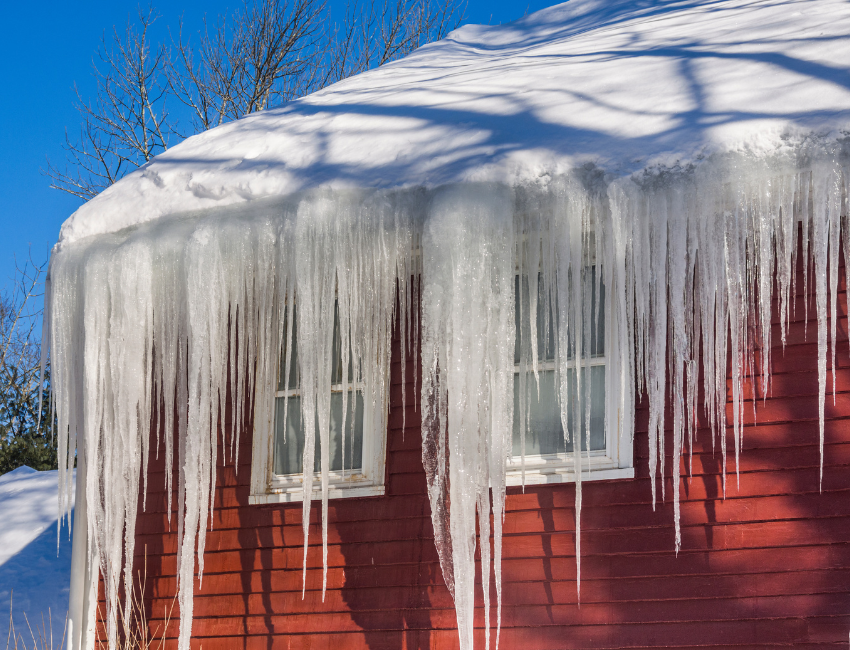
Ice dams form through a destructive cycle that begins inside your home. Heat escapes from your living space into the attic, warming the roof deck. This heat melts accumulated snow on the upper roof sections. Meltwater flows downward until it reaches the colder roof edge—typically over the eaves where no heat escapes—and refreezes into thick ice ridges.

As this cycle repeats, the ice dam grows larger, creating a barrier that traps subsequent meltwater. This pooled water has nowhere to go except backward under your shingles, through the roof deck, and into your home. The damage extends beyond visible leaks to hidden problems like saturated insulation, rotted wood framing, and mold growth within wall cavities.

Snow Load Risks for Montana Structures

Montana’s heavy, wet snow creates tremendous weight on roof structures. Snow accumulation doesn’t just sit harmlessly on your roof—it exerts constant pressure that increases with each storm. Certain areas of your roof collect disproportionate amounts of snow, creating concentrated stress points.

High-risk accumulation zones:

  • Roof valleys where two slopes meet
  • Areas below higher roof sections
  • Behind chimneys and against dormers
  • Low-slope sections that don’t shed snow naturally

Multiple snowfall events compound the problem. Each new storm adds layers before previous accumulations melt, creating dense, compacted snow that weighs significantly more than fresh powder. Structural failure rarely happens suddenly—roofs typically show warning signs before catastrophic collapse occurs.

Critical Warning Signs of Excessive Snow Load

Recognize these indicators that your roof is under dangerous stress:

Interior doors that suddenly stick or won’t close properly indicate frame shifting. Cracks appearing in drywall, especially near ceiling corners, signal structural movement. Creaking or popping sounds from the roof structure mean materials are flexing beyond normal limits. Visible sagging in ceiling lines or roof profiles requires immediate professional assessment.

Don’t wait for obvious problems. Any home experiencing accumulation exceeding two feet of snow should undergo professional evaluation, especially older structures or those with previous roof concerns.

Proper Attic Insulation and Air Sealing

Preventing ice dams starts with stopping heat loss. Your attic should remain cold during winter—the same temperature as outdoor air. This requires two critical components working together.

First, adequate insulation creates a thermal barrier between your heated living space and the attic. Insulation alone doesn’t solve the problem if warm air bypasses it through gaps and penetrations.

Second, comprehensive air sealing blocks all pathways for heated air to enter the attic. Common culprits include recessed lighting fixtures, plumbing penetrations, electrical wire holes, attic hatches, and wall top plates. These small gaps collectively allow substantial heat transfer that undermines even excellent insulation.

Priority air sealing locations:

  • Around chimney penetrations
  • Where plumbing stacks pass through
  • Attic access doors and pull-down stairs
  • Recessed light fixtures and ceiling fans
  • Behind knee walls in finished attics

Ventilation System Requirements

Effective attic ventilation removes any heat that does enter the space, maintaining uniform roof temperature. Proper ventilation requires balanced intake and exhaust working together as a complete system.

Soffit vents provide intake at the lowest points, drawing cool exterior air into the attic. Ridge vents or other exhaust vents at the peak allow warmed air to escape naturally. This continuous airflow prevents heat accumulation that causes uneven snow melting.

Blocked or insufficient vents create hot spots that melt snow in specific areas while leaving other sections frozen—the exact conditions that create ice dams. Inspect vents regularly to ensure insulation hasn’t covered soffit vents and that exhaust vents remain clear of debris and ice buildup.

Safe Snow Removal Strategies

Removing accumulated snow reduces load stress and prevents ice dam formation. However, improper removal causes more damage than it prevents.

Never use metal shovels, ice picks, or sharp tools directly on roofing materials. These tools tear shingles, puncture membranes, and damage flashing. Avoid using salt or chemical ice melters on roofs—they corrode metal components and void most roofing warranties.

For safe DIY removal from ground level, use plastic roof rakes designed specifically for this purpose. Remove snow in vertical strips from eave to peak, working carefully to avoid yanking or scraping. Focus on the lower three to four feet of roof where ice dams typically form rather than attempting complete roof clearing.

When Professional Intervention Is Necessary

Certain situations require professional roofing contractors with proper equipment and expertise:

Call professionals immediately for:

  • Active leaking from ice dams
  • Snow accumulation exceeding safe removal from ground level
  • Any structural concerns or visible sagging
  • Steep roof pitches unsafe for homeowner access
  • Properties with complex roof designs or multiple levels

Professional snow removal teams use proper safety equipment and understand how to clear roofs without causing damage. They also identify underlying ventilation or insulation problems that contribute to recurring ice dam issues.

Bottom Line: Prevention vs. Reaction

Ice dam and snow load damage stems from predictable causes with proven solutions. Addressing attic insulation, air sealing, and ventilation before November prevents most winter roof problems. These upgrades provide year-round benefits including lower heating costs and extended roof lifespan.

Homeowners who wait for visible damage face emergency repairs during peak demand, temporary fixes that don’t address root causes, and repeated problems each winter. Prevention investments pay for themselves through avoided damage and reduced energy consumption.

Take Action This Fall

Schedule a professional attic assessment before winter weather arrives. This evaluation identifies insulation deficiencies, air leakage points, and ventilation inadequacies. Address discovered issues in late fall when contractors have availability and weather permits proper installation.

Install roof rakes and keep them accessible for post-storm snow removal. Monitor your roof after each significant snowfall, watching for ice dam formation along eaves. Document any concerns with photographs for insurance purposes and professional consultations.

Montana winters are predictable—protect your home with proven preventive measures rather than expensive reactive repairs.