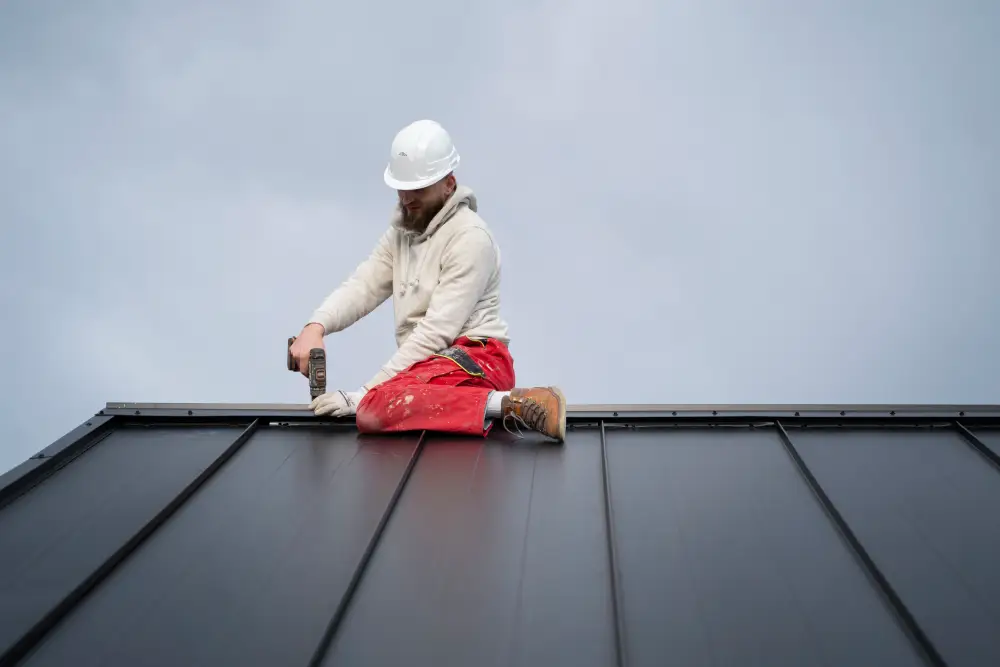
Does Swagg Roofing & Siding Provide Emergency Roof Repair Services?

roof repair services

If you need emergency roof repair services, Swagg Roofing & Siding does offer professional roof repair services and information about emergency response for urgent roof issues through their resources and service pages.

Introduction — Why emergency roof repair matters now

When storm-driven wind, fallen trees, or sudden leaks threaten your home, an emergency roofing response can prevent water intrusion, structural damage, mold, and costly insurance claims. Homeowners in Billings, Bozeman, Kalispell and surrounding Montana communities need a roofer who inspects quickly, secures damage, and provides a clear plan for permanent repair. Swagg Roofing & Siding positions itself as a Montana roofing contractor serving these areas with roof repair services, roof replacement options, and a commitment to protecting the home, making them a logical choice to contact for urgent roof needs.

What Swagg Roofing & Siding says about roof repair

Swagg Roofing & Siding’s roof repair page explains that roof repair services focus on identifying and fixing specific issues such as leaks, missing shingles, and damage from environmental factors. The page outlines a multi-step roof repair process that begins with a comprehensive inspection and damage assessment and continues through a tailored solution proposal, efficient repairs, and a final inspection with customer walk-through. This structured approach is designed to find hidden problems, propose a custom repair plan including materials and timeline, perform repairs prioritizing durability and long-term performance, and confirm work quality with the homeowner upon completion.

Emergency roof repair — how Swagg’s process adapts to urgent needs

While the dedicated roof repair page describes the inspection-to-walkthrough process for typical repairs, Swagg Roofing & Siding also provides content addressing emergency roof repair specifically, noting rapid response is critical in storm and urgent scenarios. Their broader site presence and resources for emergency roof response emphasize fast initial assessment, temporary protection measures where required, and a path to permanent repair that aligns with the company’s standard quality controls.

Detailed breakdown: Step-by-step what to expect in an emergency situation

  • Immediate contact and triage: When homeowners contact Swagg Roofing & Siding, their team begins with an initial consultation to understand the urgency and scope of damage, prioritizing dangerous conditions and active leaks.
  • Rapid inspection and damage assessment: Experienced technicians perform a comprehensive inspection to identify visible damage and concealed issues that could worsen without intervention.
  • Temporary stabilization: For active leaks or exposed roofing, temporary tarping or patching is applied to stop further water intrusion until permanent repairs can be scheduled and completed.
  • Insurance documentation and guidance: Swagg’s teams provide detailed notes from the inspection and repair plan to support homeowner insurance claims and help document damage.
  • Tailored repair plan and materials selection: Based on the assessment, the company proposes a solution that balances immediate needs with long-term durability and roof system integrity.
  • Efficient execution and final inspection: Repairs are executed with attention to detail, followed by a final inspection and walk-through with the homeowner to confirm satisfaction.

Why choose Swagg Roofing & Siding for emergency roof repair in Montana

Swagg Roofing & Siding markets itself as Montana’s premier roofing contractor with offices in Billings, Bozeman, and Kalispell and over a decade of experience handling residential, commercial, and industrial roofing projects. Their roof repair page highlights the company’s emphasis on experienced technicians, the latest tools and techniques, and a commitment to long-term solutions rather than short-term fixes. For homeowners in neighborhoods and communities across Montana, that combination of local presence and structured process bolsters confidence in the company’s ability to respond when emergencies occur.

Real-world examples and service scope from Swagg’s site

The Swagg Roofing & Siding roof repair page describes common repair scenarios—fixing leaks, replacing missing or damaged shingles, sealing flashings, and addressing structural issues—that are typical in post-storm emergency work. The page explains that their technicians are equipped to find hidden problems that could escalate if left unaddressed and to perform repairs emphasizing durability. This real-world scope suggests they routinely address both visible and underlying damage commonly seen in emergency contexts.

Credentials, coverage area, and local expertise

Swagg Roofing & Siding positions itself as a Montana-focused contractor, with offices in Billings, Bozeman, and Kalispell, and more than ten years in business. That local footprint supports fast response times across many Montana communities and demonstrates regional expertise with local weather patterns—heavy snow loads in the mountains, wind-driven storms on the plains, and freeze-thaw cycles that can accelerate roof deterioration. Their main website reinforces this presence and experience, which are key EEAT signals when evaluating emergency service reliability.

Typical emergency repair tasks Swagg can handle

  • Temporary tarping and leak containment to stop active water intrusion
  • Shingle replacement and patching for wind or impact damage
  • Flashing repair around chimneys, vents, and skylights to stop leaks
  • Gutter and downspout clearing or repair where overflow has caused roof edge damage
  • Structural deck patching where water has compromised roof sheathing
  • Documentation and photos to support insurance claims and scopes of loss

What Swagg’s process means for homeowners during a storm

Homeowners contacting Swagg during or after storm damage can expect a rapid initial assessment focused on safety and stopping active leaks, followed by a tailored repair plan that targets both visible and hidden damage. Because the company emphasizes a final inspection and customer walk-through, homeowners also receive confirmation that repairs meet Swagg’s standards. This reduces the risk of repeat leaks or overlooked damage after a hurried emergency repair.

How Swagg coordinates with insurance and claims

Swagg Roofing & Siding’s repair workflow includes documentation and proposal details useful for homeowner insurance claims. By providing clear inspection reports, photos, and a recommended repair scope, the company supports homeowners in communicating with insurers, which can accelerate approvals and ensure repairs restore the roof to a code- and manufacturer-compliant condition.

Local geography and community relevance

Swagg’s Montana focus means they respond to emergencies across a wide geography that includes notable local places such as the Yellowstone River corridor near Billings, the Bridger Bowl area outside Bozeman, Flathead Lake near Kalispell, and neighborhoods around institutions like Montana State University in Bozeman and Rocky Mountain College in Billings. Their local offices and teams give them familiarity with regional wind patterns, mountain snow loads, and the types of roofing materials commonly used in local subdivisions and historic districts. Mentioning nearby parks, schools, shopping centers, and intersections helps illustrate real-world service coverage: in Billings they serve neighborhoods around Pioneer Park and the downtown corridor; in Bozeman they work in areas near Bridger Bowl Road and neighborhoods by Montana State University; and in Kalispell they serve homes near Flathead Lake and the Conrad Mansion area.

Safety standards and workmanship expectations

Swagg’s roof repair page emphasizes thorough inspections and quality repairs completed with attention to long-term durability. In emergency contexts, technicians follow safety-first practices when accessing damaged roofs, stabilize areas that present fall or collapse risk, and apply temporary measures only where required until a permanent repair can be completed. Homeowners can expect a documented final inspection and walk-through to confirm that repairs meet the company’s workmanship standards.

Typical timelines for emergency repairs vs. permanent repairs

Immediate temporary measures such as tarping or patching can be completed in hours to a day depending on weather and accessibility. A full permanent repair—especially when underlying sheathing or structural elements are involved—may take longer to schedule and complete, often depending on material lead times, the extent of damage, and insurance approval. Swagg’s inspection-based workflow is designed to quickly triage the immediate threat and then sequence a permanent repair with a clear timeline and materials plan.

Costs, estimates, and free inspection policies

Swagg Roofing & Siding invites homeowners to call for a free estimate for roof repair services. For emergency situations, initial stabilization costs may be quoted separately from the permanent repair estimate. The company’s transparent process includes a tailored repair proposal with the scope of work, recommended materials, and estimated timeline so homeowners can make informed decisions and coordinate with insurers where applicable.

What to do immediately after roof damage

  • Prioritize safety: avoid attic spaces if there’s active water pooling, and keep clear of areas beneath heavy roof damage.
  • Document damage with photos and notes—these help both contractors and insurers.
  • Contact an experienced local roofer, like Swagg Roofing & Siding, to request rapid inspection and temporary stabilization.
  • Limit interior cleanup in damaged areas until you understand the full scope; improper quick fixes can hide ongoing leaks.
  • Keep receipts and records for emergency fixes and repairs to support insurance claims.

Case example scenarios (based on Swagg’s service descriptions)

Example 1 — Wind-driven shingle loss: After a late-season windstorm near Billings, a homeowner notices missing shingles and attic dampness. Swagg’s crew performs a rapid inspection, applies temporary patching and tarping to stop active leaks, documents damage with photos, and provides a repair estimate that includes shingle replacement and flashing inspection.

Example 2 — Tree limb impact near Kalispell: A falling limb causes localized roof penetration and leaking. Swagg’s technicians secure the area, remove debris, apply temporary containment to stop water intrusion, and schedule a permanent deck and shingle repair. The final inspection confirms proper flashing and shingles replacement to prevent future leaks.

Customer communication and the final walk-through

Swagg emphasizes a final inspection and customer walk-through after repairs. This practice is especially important for emergency repairs because it ensures that temporary measures have been replaced with permanent solutions and that the homeowner understands what work was performed and why. Clear communication reduces the risk of repeated service calls for the same issue and helps maintain warranty coverage where applicable.

How to reach Swagg Roofing & Siding for emergency help

The Swagg Roofing & Siding website invites homeowners to call for a free estimate and to schedule emergency inquiries through their local offices in Billings, Bozeman, and Kalispell. For immediate threats to the home, contacting the company early ensures a faster triage and stabilization response and gives homeowners the documentation needed for insurance claims and permanent repairs.

Internal links to improve navigation and provide further help

For more about the company and its full range of services, visit the Swagg Roofing & Siding homepage using this brandable anchor text: Montana’s trusted roofing and siding experts with local offices across the state.

To learn more specifically about repair scope, process, and commitments for safeguarding your home, follow this internal resource using this brandable anchor text: Comprehensive roof repair solutions and emergency response process from Swagg Roofing & Siding.

Verification, research transparency, and how this information was gathered

The content in this post is based directly on the roof repair service detail and company information published on Swagg Roofing & Siding’s service pages and main website, which describe the company’s roof repair process, local office locations in Billings, Bozeman, and Kalispell, and the company’s general experience level. The company’s public service pages outline inspection, tailored repair proposals, efficient repairs, and final inspections with customer walk-throughs. Where the site discussed emergency response and rapid assessment, this blog recasts those practices into a recommended emergency workflow for homeowners seeking immediate roof stabilization and permanent repair solutions.

Practical checklist: If you suspect urgent roof damage

  • Call Swagg Roofing & Siding immediately to request an emergency inspection and stabilization.
  • Take photos of interior and exterior damage before cleanup for insurance records.
  • Protect valuables inside the home and move items away from leak areas.
  • Maintain records of all communications, estimates, and receipts for insurance submission.
  • Schedule the permanent repair only after review of the inspection report and agreed scope of work.

Limitations and when to call other emergency services

If there is an imminent structural collapse, widespread electrical hazards, or active fires, call emergency services immediately before waiting for a roofing contractor. For non-life-threatening but urgent roof leaks, Swagg Roofing & Siding’s roof repair and emergency response processes are designed to stabilize and repair roof systems promptly. Always prioritize personal safety and follow local emergency guidance in cases where the property is unsafe to occupy.

Conclusion — Does Swagg Roofing & Siding offer emergency roof repair services?

Yes. Swagg Roofing & Siding provides roof repair services with a process tailored to identify and repair leaks, missing shingles, and storm damage, and the company’s content and resources indicate they offer rapid assessment and emergency response capabilities for urgent roof damage across Montana with local offices in Billings, Bozeman, and Kalispell. Homeowners facing storm damage should contact Swagg for a prompt inspection, temporary stabilization if needed, and a clear plan for permanent repair.

Frequently Asked Questions

Does Swagg Roofing & Siding respond to emergency roof repair calls?

Swagg Roofing & Siding’s service pages describe a roof repair workflow that includes rapid inspection and repair, and the company positions itself to provide timely responses across Montana through local offices in Billings, Bozeman, and Kalispell. For emergency situations such as active leaks, missing shingles from windstorms, or impact damage, homeowners should contact the company immediately to request assessment and temporary stabilization measures while scheduling permanent repairs.

What immediate steps will Swagg take to stop a leak?

In emergency scenarios Swagg’s technicians prioritize safety and immediate containment: they perform a rapid inspection to locate active leaks, apply temporary tarping or localized patching to prevent water intrusion, document the damage for insurance, and provide a tailored repair plan for permanent fixes. These initial measures are intended to reduce further interior damage until full repairs can be completed.

How quickly can Swagg arrive for an emergency roof inspection?

Response time depends on office location, workload, and weather conditions, but Swagg’s Montana offices are positioned to triage emergency calls quickly in the Billings, Bozeman, and Kalispell regions. Homeowners experiencing active leaks or storm damage should call as soon as possible to schedule an assessment and temporary stabilization.

Does Swagg provide temporary tarping or protective measures?

Yes. The company’s roof repair process includes temporary protection when needed—such as tarping or emergency patching—to stop active leaks and protect the home while a permanent repair plan is developed. Temporary measures are documented and followed by a permanent repair schedule to restore long-term roof performance.

Will Swagg help with insurance claims after emergency damage?

Swagg documents inspections and provides detailed repair proposals with photos and scope descriptions that are useful for homeowner insurance claims. While they assist with documentation and can guide homeowners through providing the information insurers need, homeowners should also contact their insurer promptly to report damage and confirm coverage details.

Are emergency repairs covered by warranty or guarantees?

Swagg emphasizes durable, long-term repairs and conducts final inspections and customer walk-throughs, which supports workmanship quality. Warranty coverage for emergency repairs depends on the specific materials and work performed; homeowners should request written terms for warranty coverage at the time of repair and confirm any manufacturer or labor warranties included in their repair agreement.

Can Swagg handle structural roof damage caused by fallen trees?

Swagg’s roof repair services address structural issues including damaged decking and flashings that result from impact such as fallen limbs. Their technicians perform thorough inspections to identify underlying damage, stabilize the area, and propose either targeted structural repairs or full replacement when necessary to restore roof integrity.

What types of roofs and materials does Swagg service in emergencies?

Swagg works on a range of residential and commercial roofing systems, addressing common materials such as asphalt shingle roofs and other roofing types used across Montana. Emergency services focus on stopping leaks and stabilizing damaged areas, followed by selecting appropriate materials for permanent repair based on the roof system present.

How does Swagg ensure safety during emergency roof repairs?

Safety is prioritized through careful onsite assessment, use of appropriate fall protection, stabilization of compromised sections, and adherence to building practices that reduce risk to homeowners and technicians. If a site is unsafe to occupy, the team will advise homeowners and take necessary measures to protect property and occupants.

How do I schedule an emergency inspection with Swagg Roofing & Siding?

To schedule an emergency inspection, contact Swagg Roofing & Siding through the phone number or contact form found on their website. Provide details about the damage, your location, and whether the damage presents an active leak or safety hazard; this information helps the dispatcher prioritize and route the appropriate local crew for rapid response and stabilization.

Full Roof Replacement or Repairs: How to Decide the Best Option

Understanding the Roof Replacement Process: A Comprehensive Overview


Deciding whether your home needs a full roof replacement or targeted repairs is one of the most important maintenance choices a homeowner can make; the right decision protects your home, saves money over time, and preserves resale value.

Introduction: Why this decision matters

Your roof is the first line of defense against weather, pests, and moisture; an informed choice between repair and replacement affects structural integrity, energy efficiency, and long-term costs. This guide is written from a contractor’s perspective and draws on the replacement and repair processes, standards, and real-world practices used by Swagg Roofing & Siding to help homeowners across Montana — including Billings, Bozeman, and Kalispell — make a confident, evidence-based decision.

How roofing professionals evaluate a roof: the inspection process

The decision begins with a thorough inspection and consultation. Professional roofers like Swagg Roofing & Siding start with an initial consultation and a careful on-roof and under-roof inspection to assess visible and hidden damage, note material wear, and check flashing, underlayment, drainage, and roof penetrations. The inspection phase documented by reputable contractors includes identifying leaks, missing or damaged shingles, compromised underlayment, rot in decking, and compromised flashing or vents.

Swagg Roofing & Siding describes this as the first step of their roof replacement service: an initial consultation followed by a thorough inspection to identify underlying issues and set expectations for next steps. This structured approach ensures all visible and concealed problems are evaluated before recommending repair or replacement.

Key signs that repairs are likely sufficient

  • Isolated leaks or small localized damage — If water intrusion is limited to a single area and the cause is a replaceable flashing, vent boot, or a small cluster of missing shingles, repairs can restore protection quickly and cost-effectively.
  • Minor shingle damage — A few curled, cracked, or missing shingles across a roof can frequently be replaced without full re-roofing when the surrounding shingles still have significant life left.
  • Short remaining service life — If the roof is relatively new and the underlying decking and underlayment are intact, targeted repairs extend service life while deferring replacement.
  • Punctures or storm damage in confined areas — When wind or hail hits limited zones, local patching and shingle replacement are often appropriate.
  • Good underlayment and flashing — If the underlayment and flashing are intact and performing, cosmetic or surface-level repairs are often enough.

Key signs that a full roof replacement is necessary

While repairs solve many problems, full replacement is the right choice when damage is widespread, the roof is at or beyond expected life, or there are structural concerns. Swagg Roofing & Siding’s roof replacement workflow highlights several stages that explain why replacement is sometimes inevitable: removal of the old roof, installing a new underlayment, and a detailed final inspection to ensure long-term performance.

  • Roof age and material life expectancy — Asphalt shingles commonly last 20–30 years depending on product quality and climate; if a roof is near or past that range and is showing systemic wear, replacement is usually more cost-effective in the long term.
  • Widespread shingle failure — When shingles across multiple roof planes are cracked, heavily granule-worn, or buckling, patching individual shingles is only a temporary fix.
  • Extensive water damage or rot — If inspections reveal water-damaged decking, mold, or rot, the structural elements must be addressed; replacement allows removal of compromised roof sheathing and restoration of proper ventilation and underlayment.
  • Multiple or chronic leaks — Repeated leaks from different locations often indicate underlying system failure that repairs will not permanently stop.
  • Improper original installation — If the existing roofing was poorly installed, has inadequate underlayment, or lacks proper flashing, full replacement corrects systemic installation failures.
  • Energy performance and material upgrade goals — Homeowners seeking better energy efficiency, upgraded materials (e.g., long-life architectural shingles or metal), or aesthetic change will often choose replacement to achieve those benefits.

Common objective indicators professionals use

  • Visible granule loss — When gutters and downspouts show heavy shingle granule accumulation, the shingles are significantly weathered.
  • Curled, cupped, or missing shingles — Visible deformation across the roof indicates aging and exposure to weather cycles.
  • Decking sag or soft spots — Walking the attic or roof to detect soft spots will identify compromised sheathing that often necessitates deck replacement and therefore a full reroof.
  • Rust, failed flashing, or compromised penetrations — These components are critical to waterproofing; when they’re failing in multiple locations, replacement is recommended.
  • Widespread moss, algae, or biological growth — While sometimes cosmetic, extensive growth can hold moisture and speed deterioration.

The lifecycle cost comparison: repair now vs. replace now

Homeowners should weigh immediate repair costs against the expected remaining service life of the roof. Repairs are cheaper short term but can add up if the roof continues to deteriorate. Replacement has a higher upfront cost but reduces future maintenance, improves home value, and often improves energy efficiency. Professional contractors provide written estimates for both repair and replacement options with scope, materials, labor, and warranty details so homeowners can compare lifecycle costs.

Materials and options Swagg Roofing & Siding installs

When replacement is recommended, choosing the right materials and installation scope matters. Swagg Roofing & Siding lists multiple material options in their roof replacement service, including architectural shingles and metal roofing, and guides homeowners through selection based on durability, energy performance, and aesthetics. Their process includes selecting materials that match homeowner goals and the local climate conditions across Montana.

What to expect with a professional roof replacement

A professional replacement follows a standard, accountable workflow that reduces risk and ensures long-term performance. Swagg Roofing & Siding emphasizes the following steps in their replacement service: initial consultation and inspection, material selection, careful removal of the old roof without damaging the structure or landscaping, installation of new underlayment, proper placement of the selected roofing material, and a final inspection and cleanup.

Key benefits of this controlled approach include: complete removal of compromised materials, correction of underlying issues like rot or poor flashing, the ability to install modern underlayment and ventilation systems, and a documented final inspection to confirm workmanship and performance.

Real examples and practical experience

Swagg Roofing & Siding promotes their experience across Montana, serving homeowners in Billings, Bozeman, and Kalispell and noting over a decade of regional service through Swagg Construction LLC. Their team documents projects where replacement was chosen to address extensive storm damage, roofing system age, or decking deterioration. Typical project narratives include an initial inspection that uncovered widespread shingle failure and failing underlayment, removal of the entire old system, replacement of damaged decking, installation of modern underlayment and new shingles or metal, followed by a detailed final inspection and cleanup to leave the property in pristine condition.

Customer feedback, social proof, and accreditation enhance confidence: Swagg Construction LLC holds BBB accreditation with positive customer reviews describing prompt, thorough assessments and respectful jobsite behavior. These credentials are the sort of trust signals homeowners should look for when deciding whether to repair or replace a roof.

Local climate and geographic factors in Montana that influence the decision

Montana’s climate — with cold winters, freeze-thaw cycles, strong winds in certain corridors, and occasional summer storms — accelerates roof wear and influences material choice and timing of replacement. Local factors to consider include snow load in mountain valleys near Bozeman, wind exposure near Highway interchanges and open plains around Billings, and heavy seasonal temperature swings near Kalispell. These geographic realities mean that shingles can lose granules more rapidly, flashings can be stressed by thermal cycling, and underlayment failures can lead to moisture problems in attics.

Homeowners in neighborhoods near notable local landmarks — such as those close to Sacajawea Park in Billings, Bridger Bowl access areas near Bozeman, or Lake McDonald-adjacent communities near Kalispell — should consider roof systems rated for heavy snow, wind resistance, and proper ventilation to mitigate moisture buildup in attic spaces.

How Swagg Roofing & Siding documents findings and establishes trust

Transparent documentation during inspection and replacement is essential to trust. Swagg Roofing & Siding’s replacement service description indicates they perform an initial consultation and inspection, provide material recommendations, and complete a final inspection and cleanup. Reliable contractors back assessments with photos, condition reports, clear scopes of work, and written estimates so homeowners have verifiable evidence for insurance claims, resale disclosures, or future maintenance planning.

Insurance and storm damage considerations

When damage is the result of storms — wind, hail, or falling debris — the homeowner’s insurance policy and the contractor’s documentation are crucial. A full replacement may be covered in cases of widespread storm damage; conversely, spot repairs are sometimes included for localized incidents. Swagg Roofing & Siding’s project workflow — from inspection to final cleanup — produces the documentation insurers require: condition assessments, photos, and an itemized scope of necessary repairs or replacement. Always coordinate with your insurance adjuster and get contractor estimates to support claims.

Warranties, workmanship, and manufacturer guarantees

Replacement projects typically come with manufacturer warranties for materials and workmanship warranties from the contractor. When comparing repair and replacement, factor in warranty length and coverage specifics: material warranties often cover manufacturing defects, while workmanship warranties cover installation errors and may be limited-time guarantees offered by contractors such as Swagg Roofing & Siding. A full replacement often resets warranty timelines for both materials and installation, offering longer-term protection than repeated repairs.

Questions to ask during your inspection

  • What is the estimated remaining life of my current roof if I only do repairs?
  • Are there signs of decking rot or structural damage that require replacement?
  • Can the damaged areas be isolated and repaired effectively?
  • What are the cost estimates for repair versus replacement, including long-term projections?
  • Which materials do you recommend for my local climate and why?
  • Will replacement improve energy efficiency or ventilation for my home?
  • What warranties will cover repairs and/or replacement?
  • Can you document findings with photos and a written report for my records and insurance?

Step-by-step decision checklist

Use this practical checklist when evaluating the repair vs. replacement question during and after your roof inspection:

  • Confirm roof age and compare to typical manufacturer lifespans for your roofing material.
  • Check for multiple leak sources or persistent leaks despite prior repairs.
  • Look for large areas of missing granules in gutters or downspouts.
  • Detect any decking soft spots in the attic or sagging rooflines externally.
  • Assess the condition of flashing, chimneys, vents, and other penetrations.
  • Estimate lifecycle cost differences: multiple repairs over 5–10 years vs. replacement now.
  • Ask for documented inspection findings and compare contractor warranties.
  • Consider energy, aesthetic, and resale benefits of a replacement.

How to plan and budget for replacement

Ahead of a planned replacement, gather at least three written estimates that detail scope, materials, timeline, and warranties. Prioritize licensed and insured contractors with local references and documented project photos. Swagg Roofing & Siding provides free estimates and emphasizes detailed final inspections and cleanup. Plan for contingencies like hidden decking repair and factor in disposal fees for torn-off materials, permit costs if applicable, and potential upgrades such as ridge vents or ice-and-water shields in vulnerable roof planes.

Choosing materials for replacement in Montana

Material selection should consider longevity, wind rating, and snow-shedding capability. Popular options in the region include high-wind-rated architectural asphalt shingles and standing seam metal roofing for steep-slope applications prone to heavy snow. Insist on proper underlayment, drip edge, ice-and-water shield in eaves and valleys, and properly installed flashing. Swagg Roofing & Siding’s approach to material selection emphasizes durability, energy efficiency, and matching homeowner aesthetic goals.

Timing your replacement

Schedule replacement during seasons with predictable weather windows to avoid delays. In Montana, late spring through early fall often offers the most reliable weather for roof replacement. Emergency repairs, however, should be addressed promptly to avoid interior damage; Swagg Roofing & Siding offers emergency roof repair services and rapid response for urgent issues.

Preparing your property for a replacement job

Before a full replacement, clear the yards of breakables, move vehicles from driveways, and secure pets. Confirm a staging area for materials and review the contractor’s site protection plan to prevent landscape damage. Swagg Roofing & Siding specifically notes that careful removal of the old roof should avoid damaging the property’s structure or landscaping, reflecting standard industry best practices.

Post-replacement inspection and maintenance

After completion, a final inspection should verify correct installation, flashing integrity, and cleanup. Contractors should walk the homeowner through maintenance recommendations, warranty details, and signs to watch for. Regular annual or biannual inspections extend roof life and catch small issues before they require major work.

Case examples illustrating repair vs. replacement decisions

Example 1 — Localized storm damage: A homeowner near Billings called after wind damage knocked off shingles along one roof plane. The inspection found intact underlayment and no decking damage; targeted shingle replacement and flashing repair restored protection at a fraction of replacement cost.

Example 2 — End-of-life roof with recurring leaks: A Kalispell homeowner experienced multiple leaks over several years. Inspection showed granular loss, multiple areas of flashing failure, and soft decking in the valleys. The contractor recommended a full replacement, removing the old roof, replacing damaged decking, installing new underlayment, and reroofing with upgraded shingles to provide a long-term solution.

Example 3 — Insurance-supported storm replacement: In Bozeman, a severe hail event produced systemic shingle pitting across multiple homes in a neighborhood. Detailed inspections and documentation supported insurance claims and resulted in approved full replacements because damage was widespread and materially affected shingle performance.

How to verify contractor credibility and EEAT signals

Evaluate contractors on expertise, experience, authoritativeness, and trustworthiness (EEAT). Look for local credentials, years in business, office locations, and accreditation. Swagg Roofing & Siding (Swagg Construction LLC) advertises offices in Billings, Bozeman, and Kalispell and positions itself as Montana’s premier roofing contractor with over 10 years of regional service; such localized presence and experience are important EEAT signals for homeowners seeking reliable partners.

Author bio and company credentials

Byline: This guide was prepared drawing on the practical service model and documented processes used by Swagg Roofing & Siding (Swagg Construction LLC), a Montana roofing contractor with dedicated service centers in Billings, Bozeman, and Kalispell and more than a decade of regional roofing experience. Swagg Construction LLC is BBB-accredited and has received positive local customer reviews noting prompt assessments, respectful jobsite conduct, and thorough communication.

Credentials summary: Swagg Roofing & Siding emphasizes an inspection-led workflow for replacement projects, material guidance for local climate conditions, careful removal of old roofing materials to protect structure and landscaping, and a final inspection and cleanup to ensure customer satisfaction. The company’s public profile highlights a decade-plus of experience and local offices that support strong geographic authority in Montana.

Transparent methodology: how the recommendations were derived

This post synthesizes standard roofing evaluation criteria — roof age, extent of visible and concealed damage, structural decking condition, and lifecycle cost analysis — with the documented replacement and repair workflows used by Swagg Roofing & Siding. The guidance reflects practical contractor procedures: start with an inspection, document findings, evaluate isolated versus systemic issues, compare repair and replacement lifecycle costs, and make a recommendation that balances immediate budget with long-term risk and value.

Local neighborhood and landmark relevance

To make this guidance actionable for Montana homeowners, consider common local references when planning inspection or replacement: in Billings, neighborhoods near Rimrock Mall or Sacajawea Park encounter urban wind patterns and snow loads; in Bozeman, properties near Bridger Bowl and Montana State University can see rapid weather changes and heavier winter snow; in Kalispell, homes near Flathead Lake and the Swan Range need roofing systems resilient to moisture and seasonal temperature swings. Mentioning these local features helps contractors and homeowners match material choice and maintenance schedules to real microclimates.

Decision flowchart — practical next steps

  1. Schedule a professional inspection and request a documented condition report.
  2. Get written estimates for both targeted repairs and full replacement that include materials, labor, and warranty details.
  3. Compare immediate costs and estimated remaining service life of the existing roof.
  4. Confirm any insurance coverage for storm or accidental damage and submit contractor documentation as needed.
  5. Choose replacement if there is widespread damage, decking rot, or if the roof is near end-of-life; choose repairs if damage is localized and the roof has substantial remaining life.
  6. If replacing, select materials optimized for your local climate and verify contractor credentials and warranty coverage.

How Swagg Roofing & Siding supports homeowners during the decision

Swagg Roofing & Siding’s service approach helps homeowners decide by offering a free estimate, a thorough inspection, and a documented plan indicating whether repair or replacement is the recommended course. Their replacement service highlights removal of old roofing, installation of a new underlayment, and a final inspection and cleanup — all steps that ensure replacement delivers a durable, code-compliant roof system when needed.

Internal links to improve navigation

For more details on the full replacement process and services offered, visit this Swagg Roofing & Siding service page describing the complete roof replacement workflow and material options: Premium Montana Roof Replacement Solutions from Swagg Roofing & Siding — Full-Service Replacement and Material Guidance for Durable, Energy-Efficient Roofs.

To learn more about the company and other services across Montana, you can also visit the Swagg Roofing & Siding homepage: Swagg Roofing & Siding — Montana’s Premier Roofing Contractors with Local Offices in Billings, Bozeman & Kalispell.

Maintenance tips to extend your roof’s life

  • Perform spring and fall inspections to clear debris, check gutters, and spot early signs of wear.
  • Trim overhanging limbs that can abrade shingles or drop branches during storms.
  • Keep gutters clean to prevent water backup and ice dams in winter.
  • Address moss and algae early using safe removal methods and zinc or copper strips in roof ridge areas to slow regrowth.
  • Schedule professional inspections after severe storms to document damage and preserve insurance options.

When to call a professional right away

  • Active leaks that are allowing water into finished spaces.
  • Significant shingle loss after wind or hail events across multiple roof planes.
  • Visible sagging or structural deformity in the roofline.
  • Large areas of decking deterioration found in the attic inspection.
  • Compromised flashing around chimneys, skylights, or valleys causing persistent leaks.

Costs: realistic expectations

Costs vary by scope, materials, and region. Repairs can range from a few hundred to several thousand dollars depending on complexity. Full replacements have a wider range driven by materials (architectural shingles, premium laminated shingles, or metal), roof complexity, and replacement scope (decking replacement, ventilation upgrades). Obtain itemized estimates that include material types, disposal, permits (if required), and warranty terms to compare accurately.

Final guidance: practical criteria to decide today

Choose repairs if damage is limited, the roofing system has substantial remaining life, and there’s no structural damage. Choose replacement when damage is widespread, decking or underlayment is compromised, the roof is near or past its expected life, or when you want to upgrade to higher-performance materials with longer warranties. Use documented inspections, multiple estimates, and contractor credentials to make a defensible, cost-effective decision.

Frequently Asked Questions

How can I tell if my roof needs replaced or just patched?

Start with a professional inspection to identify the extent of damage and any hidden issues. Signs favoring replacement include widespread shingle granule loss, multiple leak sources, visible decking rot, extensive flashing failure, or when the roof is near the end of its expected lifespan. Local contractors like Swagg Roofing & Siding perform initial consultations and inspections and will document whether damage is localized (suitable for repairs) or systemic (requiring replacement). Repairs are appropriate for isolated leaks, small areas of missing shingles, or minor flashing failures, while repeated leaks or broad material degradation usually warrant replacement.

How old is too old for a roof to keep repairing?

Roof material matters, but many asphalt shingle roofs have chemical and physical lifespans of about 20–30 years. If your roof is in that age range and is showing multiple signs of failure — granule loss, curling shingles, frequent leaks, or weakened underlayment — replacement is typically more cost-effective than ongoing repairs. Professional roofers will compare the estimated remaining life to repair costs and provide guidance on the lifecycle cost tradeoff.

What inspection steps do contractors take to determine repair vs replacement?

Contractors perform an initial consultation and a thorough inspection that examines shingles, underlayment, flashing, vents, and decking. They look for granule loss, shingle deformation, flashing corrosion, soft decking or attic moisture, and signs of previous repairs. Detailed inspection reports often include photos, notes on hidden damage found in the attic or under eaves, and a recommended course of action with written estimates for both repairs and replacement when appropriate.

Can storm damage sometimes require a full replacement?

Yes. When storms cause widespread shingle loss, severe hail pitting across multiple roof planes, or extensive wind damage, insurers and contractors may determine that the entire roofing system’s performance is compromised. Swagg Roofing & Siding documents damage thoroughly during storm assessments and can provide the condition reports and estimates needed for insurance claims that support full replacement when damage is systemic rather than isolated.

How much of my roof must be damaged before replacement is recommended?

There is no universal percentage, but practical guidelines often use multiple indicators rather than a single threshold: if several roof planes have failing shingles, flashing failures are widespread, soft decking is present, or leaks are recurring from different locations, replacement is advised. Contractors will quantify visible damage, inspect decking, and explain whether isolated repairs will be durable or merely temporary.

Will a replacement increase my home’s energy efficiency?

Yes. A full roof replacement provides opportunities to install modern underlayment, improved ventilation, and more reflective or insulated materials that can reduce heat gain and loss. Upgrading to energy-efficient roofing products and ensuring proper attic ventilation can lower heating and cooling loads. Discuss material options and energy performance goals with your contractor to quantify potential benefits.

How do warranties differ between repairs and replacements?

Repairs often carry limited workmanship guarantees for the specific repair, while full replacements usually come with a new manufacturer warranty on materials plus a workmanship warranty from the contractor. Replacement warranties typically cover longer timeframes and may restore warranty coverage across the entire roof system, offering better long-term protection than intermittent repairs.

What should I budget for an inspection and estimates?

Many reputable contractors provide free inspections and estimates as part of their customer service. If a detailed inspection requires specialized testing or interior remediation assessments, there may be fees, but standard visual inspections and written estimates are commonly complimentary. Ask contractors up front about inspection pricing and whether they provide a documented report suitable for insurance or resale records.

Does the contractor need to remove the old roof when replacing?

Most full replacements require removal of the old roofing materials to properly assess decking condition and install underlayment and flashing correctly. Swagg Roofing & Siding highlights removal of the old roof as a key step in their replacement service to avoid damaging structure or landscaping and to ensure a proper new installation. In some limited cases with light wear and code allowances, an overlay may be possible, but removal is preferred for long-term performance.

How quickly can a contractor start repairs or a replacement after inspection?

Timeframes depend on contractor schedules, material availability, permit requirements, and weather. Emergency repairs may be started immediately to stop active leaks, while full replacements are scheduled based on a mutually agreed timeline, typically in favorable weather windows. Get a written timeline in your estimate and verify how the contractor handles delays caused by weather or hidden deck repairs.

Conclusion and next steps

Deciding between repairs and a full roof replacement requires a documented inspection, clear comparisons of lifecycle cost, and an understanding of local climatic stresses and material lifespans. Use the practical checklist and questions provided here when meeting with contractors. For Montana homeowners, contractors with local presence and documented processes such as Swagg Roofing & Siding — who offer free estimates, structured inspections, and a full replacement workflow including removal of old roofing, new underlayment, and a final inspection and cleanup — provide the transparency and local authority needed to make the right choice.

If you’re ready for a professional inspection and estimate, contact Swagg Roofing & Siding to schedule a free consultation and condition assessment from a local team that serves Billings, Bozeman, and Kalispell.